%20(8).png?width=300&height=300&name=Body%20(300%20x%20300%20px)%20(8).png)
.png?width=1728&height=2304&name=Untitled%20design%20(41).png)
Debunking Common Myths About A Low Methionine Lifestyle
Does eating low methionine provide enough protein?
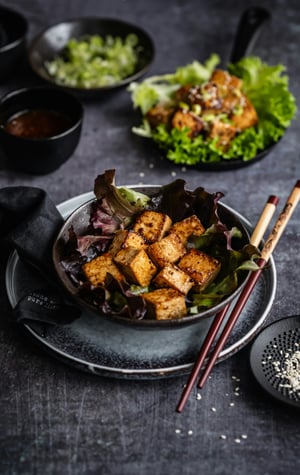
A low methionine diet supplies all the protein your body needs through diverse plant-based sources such as legumes, nuts, seeds, and even protein-packed vegetables like spinach and broccoli. Think of your body as a masterful recycling center—while you're restricting methionine from food, your healthy cells can regenerate it by repurposing homocysteine, preventing its toxic buildup. Meanwhile, unhealthy cells—like cancer cells—starve without their methionine lifeline, triggering their self-destruction. To ensure optimal protein intake, incorporate a variety of nutrient-dense, whole plant foods and steer clear of overly processed options. The meal design chapter will outline exactly how to meet your protein needs using USDA MyPlate guidelines.
Most of us eat too much protein, which can cause issues like gout and kidney disease. Eating low methionine is packed with the amino acids your body needs to thrive, while keeping methionine levels low. Plus, with plenty of fruits, veggies, legumes, nuts, and seeds, you’ll get all the protein you need. Where do you think goats, sheep, elephants and other animals get it?
You do need to be mindful of getting a diversity of healthy whole foods, vitamin B12, and vitamin D, which is simple. B12 is found in organic sea veggies and soil-grown produce, while mushrooms and sunlight will take care of your vitamin D needs. Most of us don’t get enough sun—so get outside and soak it up! In fact, growing your own little kitchen garden of herbs, greens and other things is a great way to get sun, vitamin D and organic food.
Is a low methionine diet more affordable than eating meat and dairy?

Yes! According to a study in 2024, by the Physicians Committee for Responsible Medicine, vegan diets are more affordable than both the standard American diet and the Mediterranean diet. If done right, you can save up to 16% of your total grocery bill. Of course, you will want to stick with whole foods and stay away from processed alternatives which can be expensive. Dried beans and lentils are cheaper than canned, and fruits and vegetables are cheaper than meats, eggs and dairy, eliminating them is a significant savings. Even an Oxford study found that emphasizing seeds, legumes, fruits and vegetables, especially when purchased in bulk.
Are you wondering how you are going to prepare vegan food without relying on prepackaged processed substitutes? Or maybe, thinking it is too time consuming? Think again! The best part of this book is the simple, cost saving ways to prepare delicious, healthy foods we share with you to choose from, even some of your favorites.
Can I still eat fast food on a low methionine diet?
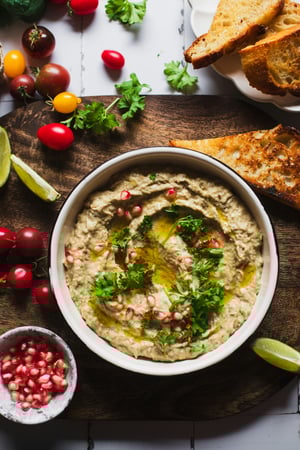
Yes! If you are wondering if any fast food places have low methionine food, the answer is yes. Eating to save your life or the life of a loved one can still allow you to purchase fast food. However it does take a little customizing. We eat some of this when we are traveling and can’t find a Thai or Indian restaurant or just don’t have time to stop. Remember, this is a once in a while, heat-of-the-moment thing and not every day. One way to get Mexican food fast is to make sure they use vegetable oil and not lard or animal fat to cook with. Once you know there are vegan beans just order a bean, tomato, lettuce, pico de gallo, guacamole, burrito or taco without the tortilla. They will put it on a plate like a salad. It is yummy. Impossible burgers as a lettuce wrap works too. Chinese fast food usually has a mixed vegetable that is good and Mediterranean food is easy; lentils, hummus, salad, eggplant/ Baba ghanoush and other grilled veggies. When I showed one of my clients how to stay low methionine while out at a restaurant. We found that people are more than happy to help someone that has a life threatening disease stay on a special diet. In her case, her hair was gone and they gave her celery and lettuce spears instead of bread. And, with a little salt, it was perfect with the salsa and guacamole!
Is it possible to stay on a low methionine diet continuously?

Yes! Once you've found your rhythm with satisfying plant-based swaps, a low methionine lifestyle becomes effortless and fully sustainable. You'll receive all the essential nutrients your body requires. If you or a loved one has specific health concerns, consult a doctor—chances are, methionine restriction will complement medical treatments rather than interfere. Research shows that continuous methionine restriction significantly increases lifespan. And don’t worry—an occasional "Cinderella day" where you indulge in a favorite treat won’t undo the benefits!
Reference: Plummer JD, Johnson JE. (2022). Intermittent methionine restriction reduces IGF-1 levels and produces similar healthspan benefits to continuous methionine restriction. Aging Cell.
Is methionine restriction as effective as calorie restriction for weight loss and longevity?

Yes! Methionine restriction mimics the benefits of calorie restriction—without requiring a drastic 30-40% cut in total food intake. Studies show that methionine restriction naturally boosts metabolic flexibility, increasing energy expenditure and fat burning, even at rest. This means you can enjoy a satisfying, nutrient-rich diet while reaping the metabolic and lifespan-extending rewards.
Reference: Hasek BE et al. (2010). Dietary methionine restriction enhances metabolic flexibility and increases uncoupled respiration in both fed and fasted states. American Journal of Physiology.
Will methionine restriction decrease my muscle and bone density?

No. Muscle loss, or sarcopenia, is more closely linked to inactivity, excess fat accumulation, and chronic inflammation—not methionine restriction. Research shows that pairing methionine restriction with resistance training actually improves muscle strength and metabolic health, even in older adults or those with obesity. Additionally, while bone mass may slightly decrease with methionine restriction, studies reveal that it enhances intrinsic bone strength, making bones more resilient under stress.
Too much methionine, on the other hand, disrupts bone remodeling and calcium balance. Homocysteine buildup damages bones and is associated with an increased risk of hip fracture, and restricting methionine helps bone health by naturally lowering homocysteine. Our bodies regenerate methionine by using and lowering toxic homocysteine, enabling our bodies to produce the necessary glutathione to fight against oxidative damage (free radicals) in our bones, livers, and kidneys.
Methionine restriction also supports healthy kidneys and livers which are essential to our strong bones. Our liver cells convert methionine to cysteine which is used to produce glutathione, the master antioxidant that protects our bones. Our kidneys detoxify and control pH to protect our bones. When our pH is too low (or acidic), our bones’ calcium is stolen to buffer the blood and lower its pH. Losing calcium weakens our bones and can lead to osteoporosis. Eating low Methionine is naturally alkaline, so no worrying about pH! And, briefly eating a low methionine and whole food diet acts as a compost for growing the right GUT microbiome to enhance absorption of our nutrients to build our bones and bodies.
Reference: Swaminathan A et al. (2021). Methionine restriction plus overload improves skeletal muscle and metabolic health in old mice. Sci Rep.
Huang TH et al. (2014). A methionine-restricted diet and endurance exercise decrease bone mass but increase intrinsic strength in growing male rats. The Journal of Nutrition.
Reference: Lopez-Torrres, M., and Baya, G. “Lowered methionine ingestion as responsible for the decrease in rodent mitochondrial oxidative stress, possible implications for humans.
Will eating low methionine foods help make my pH more alkaline?

Yes! As you read above, low methionine foods naturally include more alkaline fruits, vegetables and legumes while restricting acid producing foods such as meats, dairy, grains, processed foods and added sugars. Of course, limiting caffeine, alcohol, sugary desserts and some acidic fruits can also help. Overall, eating low methionine foods automatically lowers acidic foods on your plate allowing you the benefits of an alkaline pH without really thinking about it.
Will eating low methionine foods work with my blood type?
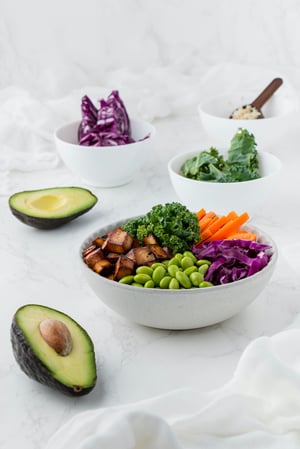
Yes! The benefits of methionine restriction apply to all blood types. While blood type diets claim to tailor nutrition to genetics, a comprehensive 2013 review found no scientific support for their effectiveness beyond the general benefits of eating whole, unprocessed foods. Methionine restriction enhances metabolic markers such as cholesterol and blood pressure, just like blood type diets claim to—only with actual scientific backing.
References: Wang J et al. (2014). ABO genotype, 'blood-type' diet and cardiometabolic risk factors. PLoS One.
Cusack L et al. (2013). Blood type diets lack supporting evidence: a systematic review. Am J Clin Nutr.
We create individual nutrition plans, based on the best research available. Here's what AI says when you ask it to pull research on blood type diets.
Will I heal as quickly without meat in my diet?
Yes! Methionine restriction actually supports wound healing while improving postoperative blood sugar levels. A 2019 study showed that reducing methionine intake before surgery preserved wound healing while preventing dangerous spikes in glucose, which can hinder recovery. Your body is fully equipped to heal efficiently on a low methionine, plant-based diet.
Reference: Trocha K et al. (2019). Preoperative Protein or Methionine Restriction Preserves Wound Healing and Reduces Hyperglycemia. J Surg Res.
If eating a methionine restricted diet is so good for you, why hasn’t everyone heard about it?
I asked the same question when I first found the research and it seems the reasoning is people won’t adhere to it. Dr Rhi and I thought, “really? You won’t eat fruits and vegetables to save your life or worse, the life of your child?” Well, the good news is, even if you only practice the diet 70% of the time you can still receive many of the benefits from it. Of course, if you are starving cancer cells, it is best to stay on low methionine.
Can I do a Keto diet on methionine restriction?
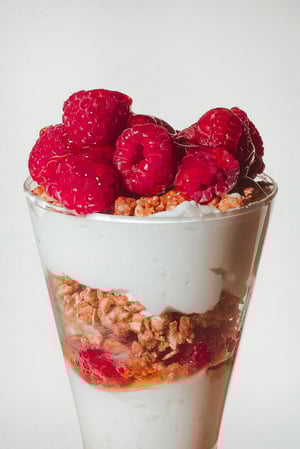
Yes! By limiting your choices to 3 grams of carbohydrates or less per serving, and limiting your total carbohydrates to about 20 grams per day depending on the person, you can maintain a ketogenic diet. Choosing low sugar fruits like strawberries, blueberries, raspberries and such, and eating certain nuts, like macadamia and peanut, chia seeds, pumpkin seeds and other seeds, leafy greens, summer squashes, cucumbers, celery, asparagus, and other veggies, all nightshade vegetables (except tomatoes and potatoes), edamame, green beans, lupini beans, and some black lentils are also included. The choice is yours! Dr Rhi lost 10 pounds in 3 months doing keto methionine restriction with intermittent eating between 10am and 2pm! And she didn't have much to lose!
Can I do intermittent fasting on low methionine?
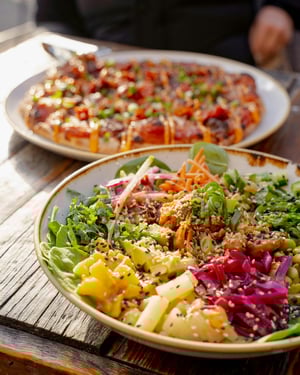
Yes, eating a low methionine diet while monitoring the window of time in which you take your meals is very effective for apoptosis, longevity, weight loss and mental health. It also can help with sleep if your window allows for adequate digestion time before bed. It's a great way to enhance your ketogenic status.
Can Eating Low Methionine Help if I Have an Existing Chronic Illness?
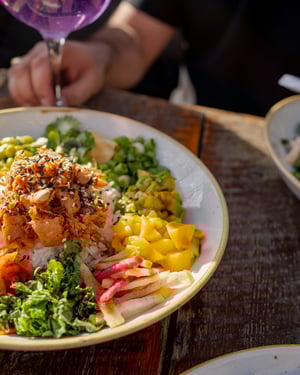
Yes! Research shows MetR can improve quality of life, even in people with advanced chronic illnesses. For example, an Italian study found that people with kidney disease could safely follow this diet (cutting out pickles, olives and such) under a doctor’s supervision, leading to fewer dialysis sessions and better kidney function.
MetR is even effective in reducing liver fat accumulation especially in cases of non-alcoholic fatty liver disease. It is high in the soluble and insoluble fibers that we all need to stay healthy. Eating a whole food, low methionine diet improves insulin sensitivity, and reduces inflammation and liver enzymes.
Let’s look at a metaphor for how MetR works for Type 2 diabetes, because 1 in 10 people in the US have been diagnosed and according to the American Diabetes Association over a third of the adult population has prediabetes. Unfortunately, roughly a third of our kids are prediabetic also. As far as out-of-pocket medical costs, people with diabetes pay 2.6 more in medical expenses than people without it and this is going up. Cost alone is a great reason for choosing a MetR lifestyle and regular doctor’s visits with labs. But that’s not all, a diabetes free, MetR lifestyle can prevent eye disease, nerve disease, and kidney disease. It can manage blood pressure, and prevent diabetes related amputations.
.png?width=1728&height=2304&name=Untitled%20design%20(44).png)
.png?width=1728&height=2304&name=Untitled%20design%20(45).png)
Money & Time Saving Meal Planning Guide
Maximize your time and budget with our meal-plans.
%20(Instagram%20Post%20(Square))%20(8.5%20x%2011%20Mailing%20Label)%20(7).png?width=1545&height=2000&name=Color%20Block%20Simple%20and%20Modern%20Vegan%20Cookbook%20Recipe%20Book%20Cover%20%20(YouTube%20Thumbnail)%20(Instagram%20Post%20(Square))%20(8.5%20x%2011%20Mailing%20Label)%20(7).png)